The good news: a cool roof isn't just a compliance checkbox. It actively lowers your energy bills, extends your roof's lifespan, and can qualify you for LADWP rebates. The process is straightforward when you work with a licensed contractor who knows LA's Green Building Code requirements.
Key Takeaways
- Cool roofs are legally required in LA for new construction and roof replacements covering more than 50% of total area
- Steep-slope roofs (>2:12 pitch) need minimum SRI 20; low-slope roofs need SRI 78 — both must use CRRC-rated products
- LADWP rebates range from $0.20 to $0.60 per square foot depending on your roof's SRI rating
- Installation follows five steps in order: assessment, material selection, tear-off, installation, then permit inspection
- Skipping the permit inspection risks fines, forced tear-off, and complications when selling
What Is a Cool Roof and Why Is It Required in Los Angeles?
A cool roof uses CRRC-rated materials with high solar reflectance and thermal emittance to bounce sunlight away and release absorbed heat efficiently. The practical result: a cool roof surface can be more than 50°F cooler than a conventional dark roof on a hot summer day, according to Climate Resolve.
The Ordinance Background
Los Angeles passed Ordinance No. 183149 in July 2014, effective August 20, 2014, making it the first major U.S. city to require cool roofing on residential buildings. The current thresholds come from the updated Ordinance No. 187208, effective November 5, 2021. LA County followed with its own ordinance in 2018, codified in Title 31 Section 4.106.6, operative January 1, 2023 for unincorporated areas.
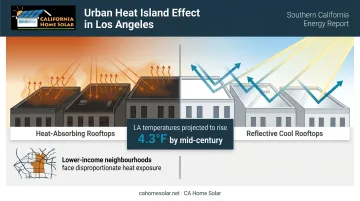
Urban heat island effects hit lower-income neighborhoods hardest, where less tree cover and more heat-absorbing surfaces push temperatures higher than the regional average. UCLA research projects LA temperatures will climb approximately 4.3°F by mid-century — a trajectory that pushed the city toward a building-code mandate rather than relying on voluntary adoption.
What "CRRC-Rated" Actually Means
Not every light-colored or "reflective" shingle qualifies. A product must appear in the CRRC Rated Roof Products Directory with verified Aged Solar Reflectance (ASR) and Thermal Emittance (TE) values. The label matters — the physical appearance of a shingle does not determine compliance.
Benefits of Installing a Cool Roof in Los Angeles
Energy Savings and Lower Bills
The EPA reports that cool roofs can reduce peak cooling demand by 11%–27% in air-conditioned residential buildings, and lower maximum indoor temperatures by up to 5.9°F in non-air-conditioned homes.
In LA's sun-intensive climate, that translates directly to shorter AC runtimes and measurably lower utility bills. Because LA summers are getting hotter, the payback period for CRRC-rated materials is shorter here than in most other U.S. climates — often recouped within a few years through energy savings alone.
Extended Roof Lifespan
Lower surface temperatures reduce the thermal expansion and contraction that causes premature cracking, curling, and shingle degradation. Both the CEC and EPA confirm that cool roofs last longer under comparable conditions. Key factors that affect the longevity gain include:
- Material type — coatings and membranes respond differently than shingles
- Installation quality — proper adhesion and sealing are critical
- Existing roof condition — cool roof treatments work best on structurally sound substrates
Environmental and Community Impact
Individual cool roof decisions add up. According to Arsht-Rock/Atlantic Council research, deploying cool reflective roofs across California's most populous areas — including Los Angeles — could reduce heat-wave exposures by 35 million cases annually. LA alone could face 80 million heat-wave exposure events by 2050 without proactive cooling measures.
LADWP Rebate Eligibility
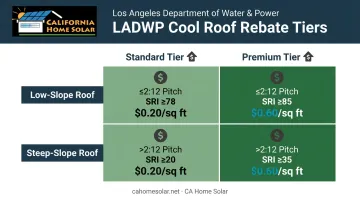
LADWP's Consumer Rebate Program currently offers:
| Roof Type | Minimum SRI | Rebate per Sq Ft |
|---|---|---|
| Low-slope (≤2:12) | SRI ≥78 | $0.20 |
| Low-slope (≤2:12) | SRI ≥85 | $0.60 |
| Steep-slope (>2:12) | SRI ≥20 | $0.20 |
| Steep-slope (>2:12) | SRI ≥35 | $0.60 |
To apply, submit through LADWP's Consumer Rebate Program portal with:
- Paid itemized invoice including CRRC Product ID, manufacturer, make/model, square footage, slope, and color
- Copy of your LADWP bill (Page 1)
- Final approved Building and Safety permit (unless liquid-applied coating)
Applications must be postmarked within 12 months of purchase. Funds are limited and rebates aren't guaranteed, so apply promptly after project completion.
LA Cool Roof Code Requirements: What Homeowners Need to Know
Current Performance Thresholds
Under Ordinance No. 187208 (effective November 2021):
| Roof Category | Aged Solar Reflectance | Thermal Emittance | SRI |
|---|---|---|---|
| Low-slope (≤2:12) | 0.65 | 0.85 | 78 |
| Steep-slope (>2:12) | 0.25 | 0.85 | 20 |
Five Exceptions to the Requirement
A cool roof is not required when:
- The work qualifies as a minor repair under California Energy Code Section 100.1(b)
- The replacement area is 50% or less of total roof area
- Solar systems are being installed on the replaced area
- The addition adds less than 500 sq ft of roof area (or less than 50% of total area, whichever is greater)
- The roof uses thermal mass over the membrane — including vegetated green roofs — weighing at least 25 lbs/sq ft
City vs. County Jurisdiction
If your property is inside an incorporated city, the City of LA's Green Building Code applies. Properties in unincorporated areas — Altadena, Rowland Heights, East LA — fall under LA County's Title 31 Section 4.106.6 instead. The distinction directly affects which permits you need and who inspects the work.
Not sure which applies? Check with LA County Planning (planning.lacounty.gov) for unincorporated areas, or LADBS for City of LA properties.
Because requirements differ between jurisdictions, ask your contractor to confirm which code applies to your address before any permits are pulled — jurisdiction mismatches are one of the more common causes of inspection delays.
How to Install a Residential Cool Roof: Step-by-Step Guide
A typical residential cool roof replacement in LA takes 1–3 days for an average-sized home. Permit processing adds time, so factor that into your project schedule.
Prerequisites and Roof Assessment
Before any work begins, the contractor must evaluate:
- Roof deck condition — soft spots, rot, or damaged sheathing must be repaired before new materials go on
- Roof pitch — determines whether low-slope or steep-slope code thresholds apply
- Replacement coverage — if less than 50% of the roof area is being replaced, confirm in writing whether the cool roof requirement applies before pulling permits
If the deck is structurally compromised, work must pause until the contractor repairs it. Cool roof materials installed over a damaged deck fail prematurely — no material quality compensates for a bad substrate.
Choosing CRRC-Rated Cool Roof Materials
The three main residential options in LA:
- CRRC-rated asphalt shingles — most common for steep-slope homes; available in colors that meet SRI 20 even without being bright white
- Cool roof tiles (clay or concrete) — popular in Spanish-style LA homes; terracotta and light gray tiles can qualify if CRRC-rated
- Reflective coatings — most practical for low-slope flat roofs; must meet the stricter SRI 78 threshold
How to read a CRRC product label: Look for the 3-year Aged Solar Reflectance value, not just initial reflectance. If only initial reflectance is listed, calculate the aged value using:
Aged SR = 0.2 + β(Initial SR − 0.2) β = 0.70 for products that are not field-applied coatings; β = 0.65 for field-applied coatings
Always cross-reference the product in the CRRC directory before finalizing your material selection.
Step-by-Step Installation Process
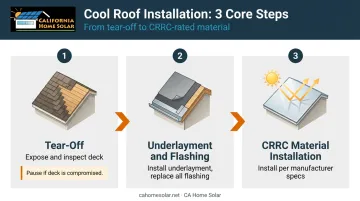
Tear off existing roofing down to the deck. Once the deck is exposed, the prerequisites checklist determines whether you proceed or pause for repairs. Don't install new material over a compromised substrate.
Install underlayment and replace all flashing. Use code-compliant underlayment — typically synthetic or self-adhering ice-and-water barrier at penetrations. Replace (never reuse) flashing at penetrations, valleys, and perimeter edges. Improper flashing causes most post-installation leaks.
Install CRRC-rated material per manufacturer specs. Fastening patterns, overlap dimensions, and starter-strip placement must follow the manufacturer's instructions exactly — any deviation can void both the product's CRRC rating and its warranty.
Post-Installation Checks and Validation
Before the crew leaves, verify:
- Ridge caps, hip caps, valleys, and flashing show no gaps or exposed fasteners
- All CRRC product labels and documentation are retained for the permit file and LADWP rebate application
- Permit inspection is scheduled with the city or county building department
Don't skip the permit inspection. Non-permitted roofing work in LA can result in fines, required tear-off, and title complications when selling. Inspectors verify both structural compliance and cool roof material standards in the same visit.
Common Cool Roof Installation Problems and Fixes
Mismatched or Non-Compliant Materials
The roofing looks reflective, but it isn't CRRC-rated — and the project fails permit inspection. This usually happens when a contractor sources materials without checking the CRRC directory, or swaps a product mid-project without verifying the replacement's compliance.
Fix: Before work starts, get the exact make, model, and CRRC product number in writing on the contract. Never accept a substitution without a verified CRRC rating for the replacement product — cross-check the CRRC directory yourself if needed.
Improper Flashing Leading to Post-Installation Leaks
Water infiltration appears at vents, skylights, or chimneys during the first rainy season after installation. The usual culprit is reused flashing that was improperly overlapped or left unsealed at transitions — a common cost-cutting shortcut.
Fix:
- Require all flashing to be replaced (not reused) during a full roof replacement
- Inspect flashing yourself during the post-installation walkthrough before the crew leaves
- Raise any concerns before sign-off — not after
Catching these issues at walkthrough is far easier than filing a warranty claim after the first storm.
Frequently Asked Questions
Is there a cool roof ordinance in Los Angeles?
Yes. The City of Los Angeles adopted Ordinance No. 183149 in July 2014, effective August 20, 2014, requiring CRRC-rated cool roofing for new and qualifying replacement residential roofs. Los Angeles County followed with its own ordinance in 2018, codified in Title 31 Section 4.106.6 for unincorporated areas.
Are cool roofs required in California?
California's statewide Title 24 energy code includes cool roof requirements for new and existing buildings, but the strictest local mandates sit at the city and county level. LA's ordinances are among the most aggressive in the state — always verify which code governs your specific address.
Are cool roof shingles worth it in California?
For most LA homeowners, yes. Reduced cooling costs, longer roof lifespan, LADWP rebate eligibility of $0.20–$0.60/sq ft, and mandatory compliance for qualifying re-roofing projects all make financial sense — especially with LA temperatures projected to keep rising.
What are the exceptions to the LA cool roof requirement?
The five main exceptions: minor repairs, replacement of 50% or less of total roof area, areas where solar panels are being installed, additions under 500 sq ft of roof area, and vegetated green roofs with thermal mass over 25 lbs/sq ft.
What is the LADWP cool roof rebate and how do I apply?
LADWP offers $0.20–$0.60/sq ft for qualifying cool roofs through their Consumer Rebate Program. Apply at ladwp.com/crp with a paid itemized invoice (including CRRC Product ID), a copy of your LADWP bill, and your finalized roofing permit. Submit within 12 months of installation.
Can I install a cool roof and solar panels at the same time?
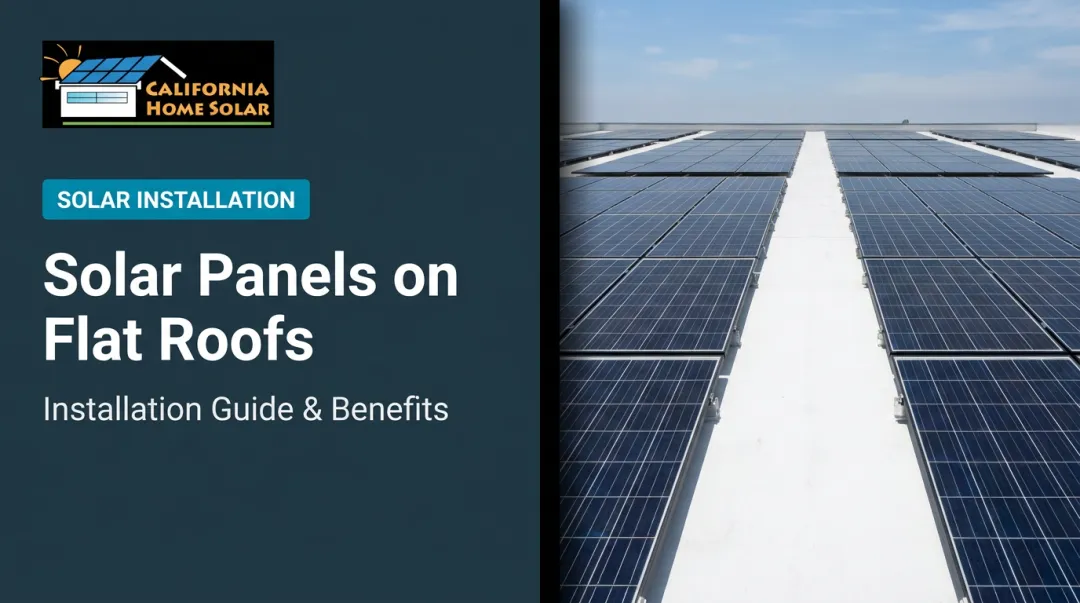
Yes — and it's often the smartest approach. Areas where solar panels are installed are exempt from the cool roof requirement, so combining both scopes in one project keeps permitting and scheduling straightforward. California Home Solar handles roofing and solar as a single coordinated installation.